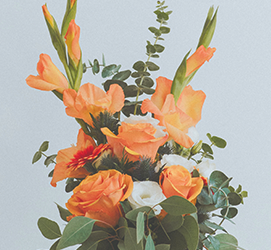
E11 wedding flowers guide for Wanstead venues
Posted on 25/09/2026
E11 Wedding Flowers Guide for Wanstead Venues: A Practical, Local Planner for Beautiful Wedding Florals
Planning wedding flowers can feel simple at first and then, all at once, wildly detailed. Which flowers suit the venue? How big should the bridal bouquet be? Will the church look too formal if you go all-white, or too casual if you lean seasonal and loose? If you're searching for an E11 wedding flowers guide for Wanstead venues, you are probably trying to make those choices with a bit more confidence and a lot less guesswork.
That is exactly what this guide is for. It walks through how wedding flowers work for Wanstead celebrations, what to think about for different venue styles, how to keep the whole look cohesive, and where people often trip up. Whether you are planning a small civil ceremony, a church service, or a larger reception in and around E11, the right floral plan helps everything feel calmer, warmer, and far more polished. And truth be told, flowers do more heavy lifting than people sometimes realise.
Below, you'll find a practical breakdown of bouquets, buttonholes, table arrangements, timing, budgeting, and best practices that make life easier on the day. If you want a local starting point, you can also look at our wedding flowers in Wanstead E11 page for the wider range of floral options available.
Table of Contents
- Why E11 wedding flowers guide for Wanstead venues Matters
- How E11 wedding flowers guide for Wanstead venues Works
- Key Benefits and Practical Advantages
- Who This Is For and When It Makes Sense
- Step-by-Step Guidance
- Expert Tips for Better Results
- Common Mistakes to Avoid
- Tools, Resources and Recommendations
- Law, Compliance, Standards, or Best Practice
- Options, Methods, or Comparison Table
- Case Study or Real-World Example
- Practical Checklist
- Conclusion
- Frequently Asked Questions
Why E11 wedding flowers guide for Wanstead venues Matters
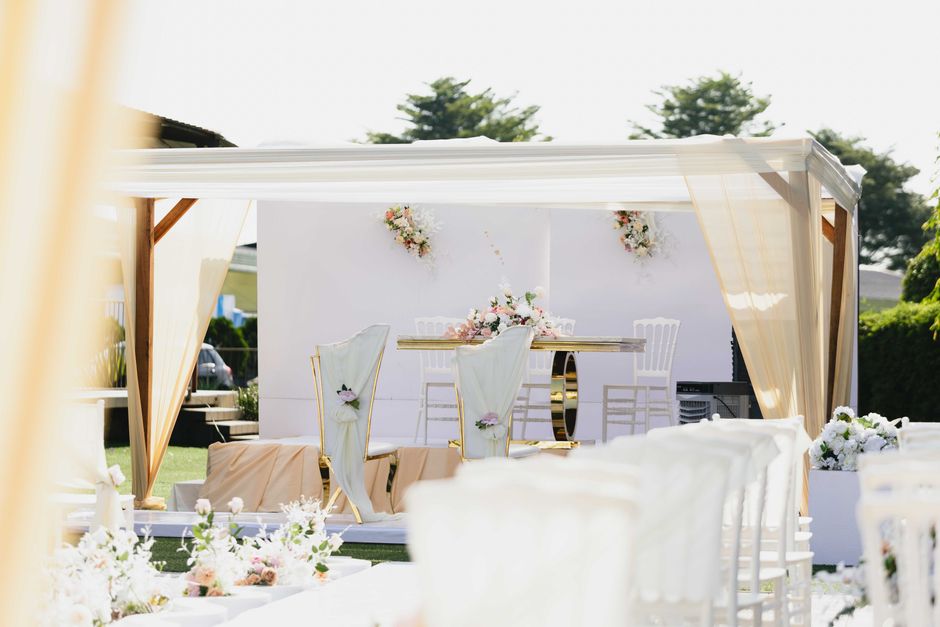
Wanstead has a lovely mix of wedding settings, from elegant halls and intimate restaurants to churches and understated local spaces that need a bit of floral softness to really come alive. That variety is precisely why a venue-specific flower plan matters. A design that looks stunning in one room can feel too busy, too low, or simply out of place in another.
In practice, wedding flowers are not just decoration. They influence how the ceremony photographs, how the room feels when guests walk in, and even how the day flows. A bouquet can frame the dress beautifully. Buttonholes help the wedding party look unified. Table arrangements can guide the eye and make the reception feel finished, not thrown together at the last minute.
For E11 couples, local planning matters for another reason too: timing. London schedules are tight, deliveries need to be dependable, and venue access windows can be narrow. If the flowers arrive too early or too late, even a gorgeous design can cause stress. Nobody wants that, especially when the rest of the day is already running on a hundred tiny moving parts.
Expert summary: The best wedding flower plan for Wanstead venues is not the most elaborate one; it is the one that fits the room, the season, the budget, and the pace of your day without creating extra pressure.
How E11 wedding flowers guide for Wanstead venues Works
The simplest way to think about wedding florals is this: the flowers should support the event, not compete with it. A good florist starts by understanding the venue, then the colour palette, then the practical schedule for setup and delivery. From there, the design can be shaped around the ceremony style and reception layout.
For Wanstead venues, that usually means looking at four things first:
- Space - Is the room bright and airy, compact, grand, or neutral?
- Light - Will the flowers be photographed in natural daylight, warm evening light, or both?
- Movement - Will guests be standing, moving between spaces, or seated for a long time?
- Finish - Does the venue already have strong decor, or does it need flowers to create the atmosphere?
Then comes the floral structure. Most wedding sets include a mix of bridal bouquets, bridesmaid bouquets, buttonholes, ceremony flowers, and table pieces. Some couples also add corsages, urn arrangements, pedestal pieces, or a feature display near the top table. If the celebration is more intimate, a smaller set can still feel beautiful, especially when the colours are consistent and the flower choice is thoughtful.
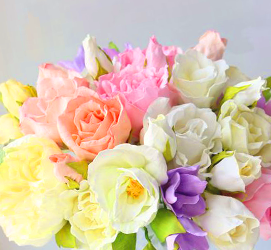
A simple example: a light, characterful bouquet of roses, lisianthus, and seasonal foliage can feel perfect in a relaxed Wanstead venue, while a fuller arrangement with lilies and orchids can suit a more formal setting. Neither is automatically better. It is about fit. That is the bit people sometimes miss.
When you're comparing styles, it can help to browse the broader wedding collection, including options like wedding flowers collection, bridal bouquets, bridesmaid bouquets, and wedding buttonholes. That gives you a clearer sense of the pieces that usually work together.
Key Benefits and Practical Advantages
The right floral plan brings together aesthetics, organisation, and peace of mind. Yes, flowers are beautiful, but their real value is how they make the day feel easier to manage.
- Stronger visual harmony: Matching bouquets, table flowers, and ceremony pieces create a calm, considered look.
- Better photography: Flowers can soften hard edges, lift neutral rooms, and add focal points for portraits.
- Clearer styling decisions: Choosing flowers early helps with ribbons, table decor, stationery, and dress styling.
- Less last-minute stress: A proper plan reduces the chances of rushed substitutions or awkward setup issues.
- More venue fit: The design can reflect the scale and character of the space instead of fighting it.
There is also a practical benefit that tends to get overlooked: wedding flowers help guests instantly understand the tone of the day. A soft blush palette says something different from rich red roses or crisp white-and-green arrangements. That first impression matters, and it happens fast. Guests walk in, look around, and within seconds the mood is set.
If you are working within a tighter budget, you still have strong options. A smaller number of well-placed flowers can often look more elegant than trying to spread the budget too thin. In other words, fewer pieces done well often beats many pieces done average. Harsh but true.
Who This Is For and When It Makes Sense
This guide is useful if you are in any of the following situations:
- You are getting married in Wanstead or the wider E11 area and want your flowers to suit the venue properly.
- You are comparing bouquet and reception styles and need a clearer sense of what actually works.
- You have a fixed budget and want to prioritise the flowers that matter most.
- You are helping plan the wedding and need a practical floral checklist, not vague inspiration.
- You have a venue with a specific style - traditional, modern, intimate, or mixed - and want flowers that complement it.
It is especially helpful if you are early in the planning stage. Once you understand the structure of the day, choosing flowers becomes much easier. But even if your wedding is only a few weeks away, you can still make good decisions quickly by focusing on the essentials: colour, scale, and delivery timing.
To be fair, wedding flowers are not just for the couple either. Parents, bridesmaids, ushers, and close family members can all be part of the design through buttonholes, corsages, and coordinated details. That little bit of continuity makes the whole event feel more complete.
Step-by-Step Guidance
Here is a practical way to plan wedding flowers for a Wanstead venue without getting overwhelmed.
1. Start with the venue itself
Look at the room in daylight if you can. Notice the wall colour, ceiling height, table layout, and natural light. A bright room may only need restrained florals, while a plain room may need stronger arrangements to bring it to life. Take a few photos on your phone. You will thank yourself later.
2. Decide the overall mood
Ask what you want people to feel when they walk in. Romantic? Fresh? Traditional? Modern and polished? The mood should guide your flower choice more than the trend of the moment. A venue in Wanstead can handle lots of styles, but the room should always lead the design.
3. Choose a core colour palette
Keep it simple. Two or three main colours are usually enough, with green foliage or neutral tones to balance them. A soft palette works well for elegant interiors, while stronger colours can bring warmth to a more minimal room. If in doubt, ask for a sample arrangement or examples in similar shades.
4. Select your key arrangements first
Usually that means:
- the bridal bouquet
- bridal party bouquets
- buttonholes
- ceremony flowers
- table arrangements
Once those are settled, you can add extras if the budget allows. Don't start with the extras. That is how plans get messy.
5. Match flowers to the day's logistics
Consider when photos will happen, whether the flowers need to travel between locations, and who will be there to receive them. If the venue setup window is tight, simpler arrangements may be safer. If there is more time and space, larger displays can work beautifully.
6. Confirm delivery and installation details
Ask how flowers will be transported, when they will be handed over, and whether anything needs to be returned after the event. Little details matter here. A florist who asks about access, parking, and loading times is doing the job properly.
7. Build in a backup mindset
Wedding flowers are a live natural product, and seasonal availability can affect final shapes or varieties. Good florists plan for this by using suitable alternatives that keep the design style intact. That flexibility is normal. Honestly, it is part of the craft.
If you need a practical place to explore flower style and product options, pages such as a wedding collection and white bridal bouquet styles can help you narrow down the look before making final decisions.
Expert Tips for Better Results
Small choices often make the biggest difference. These are the details that tend to separate a decent flower setup from a really polished one.
- Think in layers, not just items. The bouquet, table flowers, and ceremony focal point should feel related, even if they are not identical.
- Use foliage with purpose. Greenery can soften arrangements and help them suit Wanstead venues that need a more natural feel.
- Consider flower form as well as colour. Round blooms, spiky blooms, trailing stems, and open garden-style flowers all create different moods.
- Photograph your dress or fabric swatches. A pale ivory bouquet can look different next to champagne satin than it does next to matte white.
- Keep scented flowers in mind. Strong perfume can be lovely, but in a small room or during a long ceremony it may feel a bit much.
- Plan the bouquet size realistically. A bouquet that is too large can overpower a petite frame. That one gets overlooked surprisingly often.
One quiet but useful tip: if your venue has strong interior colours, don't fight them. Work with them. A warm-toned room and a cool pastel palette can be awkward together, while a carefully chosen accent colour can make the whole room feel intentional. It's not about matching everything perfectly. It's about giving the eye somewhere pleasant to land.
Also, if you love the look of roses but want something less formal, mix them with softer forms such as lisianthus, hydrangea, alstroemeria, or seasonal greenery. The result feels less stiff and more natural. That balance is often the sweet spot.
Common Mistakes to Avoid
Wedding flowers are one of those planning areas where the mistakes are usually avoidable. Here are the ones we see most often.
- Choosing flowers before understanding the venue: Lovely flowers can still look wrong if the scale is off.
- Trying to include every favourite bloom: More choice does not always mean better design. Sometimes it just means visual noise.
- Ignoring setup logistics: Delivery access, lift availability, and timing windows can all affect the final result.
- Overspending on low-impact pieces: Spend where guests will notice most, not just where photos are easiest.
- Forgetting the bouquet in the overall colour plan: The bouquet is not separate from the room. It sits in every photo.
- Leaving changes too late: Even small tweaks become harder once final orders are confirmed.
One more, and it is a big one: assuming every flower is available in every season. It just isn't. A good floral plan works with the season rather than pretending it is spring in the middle of winter. The good news is that seasonal thinking usually creates richer, more believable arrangements anyway.
If you want a more flexible everyday option for nearby gifting or pre-wedding planning, the general local ranges like flower delivery in Wanstead E11 and your local florist in Wanstead E11 can be useful reference points for style and service standards.
Tools, Resources and Recommendations
You do not need specialist software to plan wedding flowers well, but a few simple tools help a lot.
- Venue photos: Take pictures of the ceremony and reception spaces from different angles.
- Inspiration board: Save images that reflect shape, colour, and texture rather than just single blooms.
- Guest list and table plan: These affect how many buttonholes, table pieces, and feature arrangements you need.
- Fabric swatches: Useful if your dresses, ties, or linens have a strong tone.
- Simple notes app: Keep track of questions, delivery times, and decisions as you go.
When it comes to flower types, these common wedding-friendly options are worth considering:
- Roses: Classic, versatile, and easy to style from romantic to formal.
- Lisianthus: Soft, elegant, and good for a light, delicate finish.
- Hydrangeas: Great for volume and fullness in larger arrangements.
- Orchids: Clean and modern, often used for a refined look.
- Lilies: Strong visual presence, best used thoughtfully if fragrance matters.
- Alstroemeria: A practical choice when you want texture and value.
Product pages can also help you compare bouquet styles and wedding pieces before making a decision. For example, wedding table arrangements, wedding corsages, and wedding gifts give you a clearer view of how the different parts of the day can be styled together.
If you are also thinking about colour themes, it can be helpful to compare lighter and richer options rather than picking a shade in isolation. A white-and-green scheme, for instance, can feel calm and elegant, while a mixed-colour palette can feel lively and a bit more informal. Neither is better. They just tell different stories.
Law, Compliance, Standards, or Best Practice
Wedding flower planning does not usually involve heavy regulation, but there are still sensible standards and local expectations to keep in mind. Venues in London often have rules around access times, setup, removal, open flames, and use of adhesives or fixtures. So it is wise to check venue instructions early, especially if you are planning large installations, stands, or hanging pieces.
From a best-practice point of view, the important things are straightforward:
- Confirm venue access rules before finalising installation plans.
- Make sure the florist knows any restrictions on tape, hooks, candles, or floor-standing items.
- Keep contact details clear so delivery can be coordinated smoothly on the day.
- Check substitution terms in case seasonal flowers are unavailable.
- Understand care instructions if arrangements need to stay fresh for a long day or be moved between locations.
If the wedding includes imported flowers, the florist will normally manage sourcing and any practical implications as part of the supply process. You do not need to become a logistics expert, thankfully. But you should still ask what happens if a stem is unavailable or a delivery time shifts. That sort of question is not fussy; it is sensible.
For aftercare, follow basic flower care advice where relevant. Keep arrangements cool, avoid direct sun where possible, and top up water if the florist has left instructions to do so. Simple, but it helps.
Options, Methods, or Comparison Table
Different wedding flower approaches suit different Wanstead venues and budgets. This comparison should make the trade-offs easier to see.
| Approach | Best For | Strengths | Watch Out For |
|---|---|---|---|
| Minimal, refined florals | Small venues, civil ceremonies, modest budgets | Clean, elegant, less waste, easier logistics | Can look sparse if the room is very plain |
| Classic mixed arrangements | Most wedding venues in E11 | Balanced, versatile, easy to personalise | Needs careful colour coordination |
| Full feature styling | Larger rooms, formal receptions, high-impact photography | Very memorable, strong visual presence | Higher cost, more setup time, more coordination |
| Seasonal natural style | Couples who want a relaxed, organic feel | Fresh, contemporary, often very photogenic | Depends on seasonal availability and design skill |
If you are unsure which route to take, ask yourself one simple question: do you want the flowers to quietly support the day, or do you want them to be one of the main visual features? Either is fine. The answer just changes the scale and budget. That alone clears up a lot of indecision.
Case Study or Real-World Example
Imagine a couple planning a late-spring wedding in Wanstead with a small ceremony and a reception in a room that already has elegant details but not much colour. They want a calm, romantic atmosphere without making the space feel crowded. They also want the bouquet to stand out in photos, but not look overly formal.
The floral plan could look something like this: a bridal bouquet built around soft roses and lisianthus, bridesmaid bouquets in a lighter coordinating tone, simple buttonholes for the groom and key family members, and a few table arrangements that repeat the same palette with foliage and one or two standout blooms. No giant statement wall. No overcomplication. Just a consistent look that suits the room.
What tends to work well in this kind of setup is restraint. One strong idea, carried through properly. Guests notice the calmness of it more than you might expect, especially once the candles are lit and the room starts to glow a little in the early evening. You can almost hear the day settle down.
If the couple had instead chosen a very bold, mixed-colour tropical style, the room would need to be able to carry that energy. In the wrong setting, it could feel disconnected. In the right one, it would be brilliant. That is the real lesson: venue and flowers should speak the same language.
Practical Checklist
Use this checklist as you get closer to the date. It keeps things manageable.
- Confirm the venue name, address, and access instructions.
- Decide the ceremony and reception flower priorities.
- Choose your main colour palette.
- Gather dress, suit, and linen fabric references if possible.
- List who needs buttonholes, corsages, or bouquets.
- Check whether flowers need to travel between locations.
- Confirm delivery times and who will receive the flowers.
- Ask about seasonal substitutions and backup stems.
- Review care instructions for keeping arrangements fresh.
- Make sure the final floral look suits the photos you want, not just the Pinterest board you started with at 11pm. We have all been there.
Quick takeaway: For Wanstead venues, the best flower plan is the one that fits the room, stays practical on the day, and looks natural in photos. Keep the design coordinated, not crowded, and you will usually be in very good shape.
Conclusion
A thoughtful floral plan can turn a good wedding into one that feels complete. For Wanstead venues, the trick is not to chase every idea at once. Start with the venue, keep the palette focused, and build out the most important pieces first. That gives you a calmer process and a result that feels deliberate rather than assembled in a rush.
Whether you prefer something classic and elegant, soft and romantic, or bright and contemporary, the right flowers should make the venue feel like it was made for your day. And if you are still deciding, that is completely normal. Most couples need a few rounds of thinking before the picture becomes clear. Better to pause and get it right than rush and regret it later.
If you are planning your Wanstead wedding flowers now, use this guide to narrow the choices, then move from broad ideas to specific pieces. That simple shift makes the whole process feel more manageable, and a lot less noisy.
Get a free quote today and see how much you can save.
Good flowers do more than decorate a room. They help a day feel like yours, which is the part people remember.
Frequently Asked Questions
What flowers work best for Wanstead wedding venues?
The best flowers depend on the size and style of the venue, but roses, lisianthus, hydrangeas, orchids, and seasonal greenery are all popular choices. They adapt well to both traditional and modern settings.
How far in advance should I book wedding flowers in E11?
Earlier is better, especially if your wedding is in a busy season. Booking ahead helps secure your preferred style, gives time to refine the design, and reduces the risk of last-minute substitutions.
Can I have wedding flowers on a smaller budget without them looking plain?
Yes. A smaller budget can still look polished if you focus on the key pieces: bridal bouquet, buttonholes, and one or two visible venue arrangements. Thoughtful placement matters more than sheer quantity.
Should my bouquet match the venue exactly?
Not exactly. It should complement the venue, not copy it. Matching every colour too closely can make the design feel flat, while a coordinated contrast can look much more interesting.
What is the difference between bridal bouquets and bridesmaid bouquets?
Bridal bouquets are usually fuller or more detailed, while bridesmaid bouquets are often smaller or simpler so the bride's flowers remain the main focus. The two should feel related in style and colour.
Are buttonholes still necessary for weddings?
They are not compulsory, but they are a classic detail that brings the wedding party together visually. Many couples choose them for the groom, groomsmen, fathers, and close family members.
How do I choose flowers for a church ceremony versus a reception venue?
Church ceremonies often suit more formal or traditional arrangements, while receptions can allow for softer, looser, or more decorative designs. The best choice depends on the feel of each space.
What if a flower I want is out of season?
A good florist will suggest alternatives that keep the same style and colour mood. Seasonal flexibility is normal in wedding floristry, and often the substitute looks just as good or better.
Can flowers be moved from the ceremony to the reception?
Yes, many couples do this to make better use of the arrangements. It works best when the florist knows the timings in advance and the venue can support a smooth transfer.
Do I need different flowers for photos?
You do not need separate flowers just for photos, but it helps to think about how the bouquet and arrangements will look on camera. Clean shapes, good contrast, and strong colour balance usually photograph well.
How do I make wedding flowers feel elegant rather than overdone?
Keep the palette focused, use a mix of bloom sizes, and avoid overcrowding the design. Elegance usually comes from balance and restraint rather than excess.
What should I tell the florist before finalising my order?
Share the venue details, the date, your colour preferences, any key flowers you love or dislike, delivery timing, and any access restrictions. The more practical context you provide, the smoother the result.
Can I order wedding flowers online for a Wanstead venue?
Yes, you can often begin online and refine the details from there. It is a good way to compare styles quickly, especially if you already have a sense of the colours and pieces you want.
What is the safest choice if I am not sure what style to pick?
A classic mixed arrangement in a soft, versatile palette is often the safest route. It suits many venues, works in photos, and gives you room to add personality without risking the overall balance.