Common mistakes Wanstead customers make with flower subscriptions
Posted on 19/10/2026
Flower subscriptions sound simple on paper: choose a plan, get fresh blooms delivered, enjoy the room filling with colour and scent. Easy. But in real life, a lot of Wanstead customers run into the same avoidable problems. The bouquet arrives on the wrong day, the stems are cut too short, the flowers don't suit the room, or the subscription quietly becomes poor value because the details were never checked properly.
That is what this guide is here to fix. If you are thinking about a flower subscription in Wanstead, or you already have one and it is not quite working, this article walks through the common mistakes Wanstead customers make with flower subscriptions, why they matter, and how to get better results without overcomplicating things. A few small changes can make the difference between "nice idea" and "every delivery feels genuinely lovely."
We'll cover timing, budgeting, care, style choices, delivery expectations, and the practical bits people often skip. Let's be honest, the small print is rarely exciting, but it tends to matter.
Why Common mistakes Wanstead customers make with flower subscriptions Matters
A flower subscription is a recurring service, so the consequences of a bad setup repeat too. One slightly off decision can be irritating once; repeated over three, six, or twelve months, it becomes a pattern. That is why these mistakes matter more than they first seem.
For Wanstead customers, the local context also plays a part. Delivery timing needs to fit around home working, school runs, commute patterns, and whether a household is in during the day. A subscription that looks perfect at checkout can turn awkward if the delivery window is vague or the stems arrive when nobody is home to receive them. Not a disaster, but definitely annoying.
It also matters because flowers are perishable. Unlike a gift card or a box of chocolates, they need the right handling from the moment they arrive. A subscription only works well if the customer understands the rhythm: delivery, unpacking, trimming, water changes, and the occasional decision to switch vase size because the bouquet is bigger than expected. That part catches people out more than you'd think.
Key takeaway: flower subscriptions are at their best when the customer chooses them with intent, not impulse. A little planning saves money, reduces waste, and keeps the flowers looking fuller for longer. Simple, really.
How Common mistakes Wanstead customers make with flower subscriptions Works
At its core, a flower subscription is a recurring floral delivery arranged on a regular schedule. Depending on the provider, that may mean weekly, fortnightly, or monthly deliveries, with each bouquet selected to match the season, budget, or preferred style. Some subscriptions are flexible; others are more fixed. That distinction matters a lot.
Most customers make mistakes because they assume every subscription works in the same way. It doesn't. One plan may let you pause a delivery easily, another may require notice in advance. One may include a vase, another may not. One may focus on florist choice arrangements, while another keeps to a particular colour palette or flower family. It pays to read the details, even if the checkout page is trying very hard to look cheerful and simple.
In practice, the process usually looks like this:
- You choose a subscription length and delivery frequency.
- You set the delivery address and preferred start date.
- The florist prepares each bouquet based on the plan and season.
- The flowers are delivered, often with care instructions.
- You unwrap, trim, hydrate, and display them straight away.
If any one of those steps is misunderstood, the experience can slip. For example, someone might expect the bouquet to last two weeks without a water change. Or they may assume the flowers will always match the image from the first month. In truth, good subscriptions often vary by season, and that variation is part of the charm.
For people who want a straightforward local ordering experience, it can help to look at a trusted Wanstead florist rather than treating all subscriptions as interchangeable. The better the fit between the customer's expectations and the florist's process, the smoother everything feels.
Key Benefits and Practical Advantages
When a subscription is set up properly, the upside is substantial. You get regular fresh flowers without having to remember to reorder every time. That sounds obvious, but in busy households it is one of the main reasons subscriptions stick.
There is also the emotional side. Fresh flowers can lift a hallway, brighten a kitchen table, and make a room feel cared for. You notice it on a grey morning. The place looks more alive. There is scent, colour, and that slight hush that comes when a bouquet has just been placed in water and starts settling into the room.
Here are the practical advantages people value most:
- Convenience: fewer last-minute orders and fewer missed occasions.
- Consistency: regular delivery can keep a home or office feeling fresh.
- Gift appeal: a subscription makes a thoughtful ongoing present.
- Seasonal variety: the flowers can change through the year rather than feeling repetitive.
- Better planning: you can budget around a known schedule instead of one-off impulse spending.
Subscriptions are also useful if you prefer flowers for style rather than occasion. A lot of people in Wanstead buy flowers for the kitchen, dining table, reception room, or home office because it makes the space feel finished. Not extravagant. Just well put together.
If you are comparing subscription styles with other delivery options, it helps to know whether you need flexibility or speed. A one-off bouquet may be better for a single event, while a recurring plan is better for ongoing freshness. For regular gifting, you might also look at send flowers in Wanstead options alongside the subscription model to see which approach suits your habits.
Who This Is For and When It Makes Sense
Flower subscriptions suit more people than you might expect. They are not only for dedicated flower lovers. They are also for households that want a simple upgrade, businesses that want a welcoming front desk, and gift buyers who want something more thoughtful than a single delivery.
They make particular sense if you:
- forget to order flowers for anniversaries, birthdays, or home refreshes
- want a regular floral display without the hassle of repeat checkout
- like seasonal flowers and do not mind a bit of variety
- are buying a long-term gift for parents, partners, or grandparents
- need a neat solution for an office, shop counter, or reception area
They make less sense if your schedule is unpredictable, you are away often, or you need exact blooms every time. In those cases, a subscription can still work, but only if the provider offers easy pause/reschedule options. Otherwise, it becomes one of those "good idea, awkward in practice" arrangements. And nobody needs more admin in their life.
Another good fit is anyone who wants to support a local florist relationship rather than ordering randomly from different places each time. That tends to produce better results over time because preferences get understood. A florist learns whether you like lighter tones, bold seasonal mixes, or flowers that are more structured and formal.
Step-by-Step Guidance
If you want a subscription that actually works, start with the practical basics rather than the prettiest bouquet photo. Here is a sensible way to approach it.
1. Decide the purpose first
Are these flowers for your home, a gift, or a workplace? That single question shapes everything else. A home arrangement might suit softer stems and changing seasonal colours. A corporate space may need something cleaner and more uniform. A gift may need easy-care flowers and predictable timing.
2. Choose the right frequency
Weekly, fortnightly, or monthly? Pick based on how quickly you actually use flowers, not how enthusiastic you feel on day one. A monthly subscription often suits people who want a recurring treat without clutter. Weekly works only if you have the space, the vase capacity, and the habit of changing water properly.
3. Check what happens if you are away
This is one of the biggest causes of frustration. If you are away for work, school holidays, or a long weekend, can you pause the plan? Can you move the delivery date? Is there a deadline for changes? If the answer is buried several clicks deep, take that as a warning sign.
4. Match flower style to the room
Think about the actual space. Tall stems can look gorgeous on a sideboard but be awkward on a narrow kitchen table. Fragrant lilies may be lovely in one room and a bit too much in another. Little practical details like this save a lot of disappointment later.
5. Prepare the basics at home
Keep a clean vase, sharp scissors or floristry snips, fresh tap water, and a cool place for arranging the flowers. The first five minutes matter more than many people realise. When flowers are left wrapped for too long on a warm counter, they lose freshness faster. Truth be told, the flowers are doing their best; it is the handling that often lets them down.
6. Review after the first delivery
Do not wait six months to decide whether the plan suits you. After the first or second delivery, check the stem length, bloom size, style, freshness, and timing. Then adjust. A good subscription should feel adaptable, not fixed in stone.
Expert Tips for Better Results
In our experience, the best subscription customers are not the ones who spend the most. They are the ones who are clear about what they want and consistent about how they handle the flowers when they arrive.
Here are some practical tips that make a real difference:
- Choose florist choice arrangements when you want value. Florist-selected bouquets often use what is freshest and in season, which can be better than insisting on a rigid look.
- Ask about vase life expectations. Some flowers last longer than others. If longevity matters, tell the florist.
- Be honest about your budget. There is nothing wrong with a modest plan. A thoughtful, well-sized bouquet usually beats an oversized one that feels stressful to maintain.
- Match flowers to the setting. A busy family kitchen needs different stems from a quiet hallway.
- Use the first delivery as a test run. One month tells you a lot about quality, timing, and style.
And yes, it is perfectly fine to say you want something "not too fussy." Floristry is creative, but it also needs to fit real life. A bouquet that looks fantastic in a studio photo may be a bit much in a small flat with limited space. Gorgeous, but too much.
If you like the convenience of regular delivery but want occasional faster turnaround for events, you may also want to compare subscription timing with next-day flower delivery in Wanstead or same-day flower delivery in Wanstead. That way, your subscription handles the routine and urgent orders are still covered.
Common Mistakes to Avoid
This is the bit that saves people money and frustration. Most of the common mistakes Wanstead customers make with flower subscriptions are not dramatic; they are small assumptions that snowball.
1. Choosing by photo alone
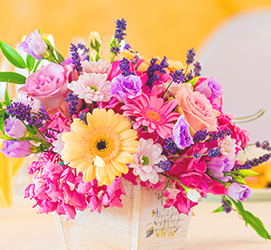
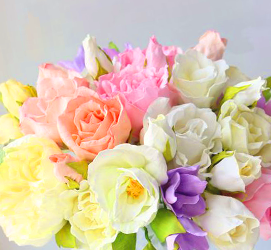
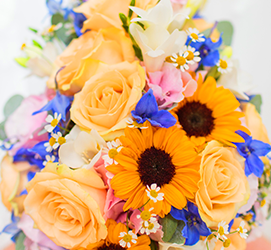
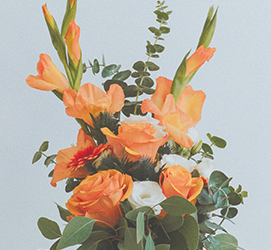
The bouquet image is only a guide. Seasonal availability changes stems, shapes, and even the overall texture of the arrangement. If you choose based on one polished image and expect the same every month, you may be disappointed.
2. Ignoring delivery timing
People often focus on the flowers and forget the delivery schedule. If the flowers arrive when nobody is home, you may miss the handover or lose freshness if the bouquet sits outside too long. That is especially important in colder or wetter weather, which, well, is not exactly rare here.
3. Overestimating vase space
This sounds small, but it matters. A bouquet can look compact in its wrapping and still be far too large for the vase you thought would do. Measure the vase opening and height before ordering, especially if you like fuller arrangements.
4. Forgetting care basics
Many customers expect flowers to simply "last." In reality, they need fresh water, a trim, and a clean vase. Skipping those steps is one of the fastest ways to turn a lovely bouquet into a tired-looking one by day three.
5. Not checking pause and cancellation terms
Life happens. Holidays happen. Work trips happen. If the subscription cannot be paused easily, it can become an expensive nuisance. Read the terms before committing.
6. Picking the wrong frequency
Weekly sounds luxurious until your kitchen is full of half-used vases and fading petals. Monthly can feel more sensible for many homes. The right frequency is the one you can actually maintain.
7. Expecting every bouquet to be identical
That is not how most good subscriptions work. A seasonal plan should evolve through the year. Spring should not look like winter. If you want exact uniformity, say so up front, but know it may reduce the florist's flexibility.
8. Not matching flowers to scent sensitivity
Some customers love strong fragrance; others get headaches from it. If you are in a small room, or the flowers are for a workplace, ask for a lighter scent profile.
Here is the simplest way to avoid most problems: decide your purpose, confirm the schedule, understand the care needs, and make sure the bouquet size fits the space. That alone removes a surprising number of headaches.
Tools, Resources and Recommendations
You do not need specialist equipment to make a flower subscription work well, but a few basic tools help more than people expect.
- A clean vase: ideally one that fits both medium and fuller arrangements.
- Sharp scissors or snips: for a clean cut at the stem end.
- A measuring tape: handy for checking vase height and table space.
- A small notebook or phone note: useful for tracking what you liked in each delivery.
- A clear place near a sink: makes changing water quicker, which means you're more likely to actually do it.
For flowers that need a little extra care once they arrive, it is worth reading general flower care guidance so you know how to keep stems fresher for longer. That sort of advice sounds basic until the first time a bouquet perks up after a proper trim and fresh water. Small thing, big difference.
If you are comparing subscription value, browsing curated ranges such as best sellers, florist choice, or luxury flowers can help you understand the style and budget level you prefer before signing up. That makes the final decision much easier.
And if you are arranging flowers as a gift rather than for yourself, a subscription may sit alongside special-occasion ranges like birthday flowers or romance flowers, depending on the reason behind the order. Different moments, different needs.
Law, Compliance, Standards, or Best Practice
For a flower subscription, the most relevant standards are usually practical rather than legal. In the UK, customers should expect clear pricing, clear delivery information, and fair terms around cancellations, substitutions, and refunds. If a subscription is offered online, the business should also make its policies easy to find and understand. That is basic good practice, even if nobody enjoys reading the terms and conditions.
Customers should pay attention to:
- Pricing clarity: know whether delivery is included or added separately.
- Substitution policies: flowers may be replaced with similar stems when needed.
- Cancellation or pause rules: check notice periods before the next dispatch.
- Delivery expectations: understand what happens if no one is available.
- Refund and replacement terms: especially if a bouquet arrives damaged or unsuitable.
If a florist states guarantees, it is sensible to read them carefully so you know what is covered and what is not. The same goes for payment terms, privacy, and general service rules. For a local buyer, that is less about legal fine print and more about avoiding misunderstanding.
Best practice is simple: keep your order confirmation, check the delivery details before each renewal, and contact the florist promptly if something looks wrong. Calm, clear communication usually solves more than people expect. Bit old-fashioned, maybe, but it works.
Options, Methods, or Comparison Table
If you are deciding whether a subscription is right for you, the table below gives a quick way to compare the main approaches.
| Option | Best for | Advantages | Possible drawback |
|---|---|---|---|
| Weekly subscription | Busy homes, office displays, frequent flower lovers | Always fresh, strong visual impact | Can feel too frequent or costly if not used quickly |
| Fortnightly subscription | Most households, balanced budgets | Good freshness without too much repetition | Needs a little planning with vase changes |
| Monthly subscription | Gifting, occasional home refreshes | Lower maintenance, easier to budget | May feel too spaced out for keen flower fans |
| One-off flower order | Single events or special dates | Maximum flexibility | No ongoing freshness or consistency |
For many Wanstead customers, fortnightly or monthly is the sweet spot. Weekly is lovely if flowers are part of your routine, but it can become excessive if your household is already busy. It all depends on how you live, not just how the bouquet looks online.
Case Study or Real-World Example
A fairly typical Wanstead scenario goes like this. A customer signs up for a flower subscription for their kitchen table because they want the house to feel nicer on ordinary weeks, not just on birthdays or holidays. They choose the first plan that looks attractive, without checking vase size, scent level, or whether they can pause deliveries during a family trip.
The first bouquet arrives on a weekday afternoon. Nobody is in. The flowers are left in a safe place, but the customer does not notice until later. The blooms are still okay, but not at their best. Then, because the vase is too short, the stems are cut awkwardly and the arrangement sits lower than intended. On top of that, the customer expected the same colour palette every time, but the next month's delivery is more seasonal and less structured. A decent subscription starts feeling like a mismatch.
Now compare that with the version where the customer checks three things in advance: delivery timing, care instructions, and whether the florist can vary the style each month. Same flowers, very different experience. The second customer trims the stems properly, uses a vase with enough height, and accepts seasonal changes as a feature rather than a flaw. The result is calmer, better value, and honestly just nicer to live with.
That is usually the pattern. The subscription itself is not the problem. The setup is.
Practical Checklist
Use this checklist before you buy, renew, or review a flower subscription:
- Have I chosen the subscription for a clear purpose?
- Do I know how often deliveries will arrive?
- Can I pause or change a delivery if I am away?
- Is the price clear, including delivery if relevant?
- Have I checked the florist's substitution policy?
- Do I have a vase that suits the likely size of bouquet?
- Will the flowers be suitable for the room and scent preference?
- Do I know how to care for the flowers once they arrive?
- Am I happy with the refund or complaint process if something goes wrong?
- Have I reviewed the first delivery before committing long term?
If you can tick most of those boxes, you are in good shape. If not, that is not a failure. It just means you have caught the weak spots early, which is exactly the point.
Get a free quote today and see how much you can save.
Conclusion
The common mistakes Wanstead customers make with flower subscriptions are usually simple ones: choosing too quickly, skipping the fine print, forgetting about care, or picking a schedule that does not fit real life. None of those mistakes are unusual. In fact, they are very human. People see the bouquet, imagine the room, and rush a little. Happens all the time.
But when you slow down and choose with a bit more thought, subscriptions become a genuinely lovely habit. The flowers last better, the deliveries feel more useful, and the whole thing becomes less about managing a service and more about enjoying the result. That is the sweet spot.
If you are in Wanstead and considering a subscription, focus on fit rather than flash. Check the practical details, ask the awkward questions, and start with a plan that suits your routine. Your future self, staring at a bright, well-kept bouquet on a quiet Tuesday morning, will thank you for it. And that is a nice feeling, really.
Frequently Asked Questions
What are the most common mistakes Wanstead customers make with flower subscriptions?
The biggest mistakes are choosing a subscription without checking delivery timing, ignoring care needs, picking the wrong frequency, and expecting every bouquet to look identical. Those issues are avoidable with a little planning.
How do I know if a flower subscription is worth it?
It is usually worth it if you want regular fresh flowers, value convenience, and will actually use the deliveries. If you only want flowers for rare occasions, one-off orders may be better.
Should I choose weekly, fortnightly, or monthly flower delivery?
That depends on how quickly you use flowers and how much care you want to give them. Monthly suits light use, fortnightly is a solid middle ground, and weekly works best for people who love having fresh arrangements all the time.
Can I pause a flower subscription if I go away?
Often yes, but it depends on the florist's terms. Always check the pause or change deadline before the next delivery date so you are not caught out.
Are subscription flowers always the same as the website photo?
Not usually. Flowers are seasonal, so good florists may substitute stems or vary the design while keeping the style and value similar.
What should I look for in a Wanstead flower subscription?
Look for clear delivery information, fair pricing, flexible scheduling, good care instructions, and a style that suits your home or gift recipient. Practical details matter more than glossy photos.
How can I make subscription flowers last longer?
Trim the stems, use a clean vase, change the water regularly, and keep the flowers away from heat and direct sunlight. A proper first setup makes a noticeable difference.
Are flower subscriptions a good gift idea?
Yes, especially for birthdays, anniversaries, or long-term thoughtful gifts. They work best when the recipient likes flowers regularly and does not mind seasonal variation.
Do flower subscriptions cost less than ordering individual bouquets?
They can offer better value over time, but not always in every case. It depends on the frequency, bouquet size, delivery charge, and whether the subscription includes extras such as a vase.
What if the flowers arrive damaged or not as expected?
Contact the florist as soon as possible with clear details and, if helpful, photos. Keep your order confirmation and check the refund or replacement terms so you know what to expect.
Is florist choice better than picking a fixed bouquet every time?
Florist choice is often better for seasonal freshness and value because the florist can use the best stems available. Fixed bouquets are useful if you want a more predictable look.
What is the biggest thing people overlook before subscribing?
Delivery timing is probably the most overlooked detail. If the flowers arrive at an awkward time, or if nobody is home, the whole experience can feel more stressful than it should.